Prostate Cancer
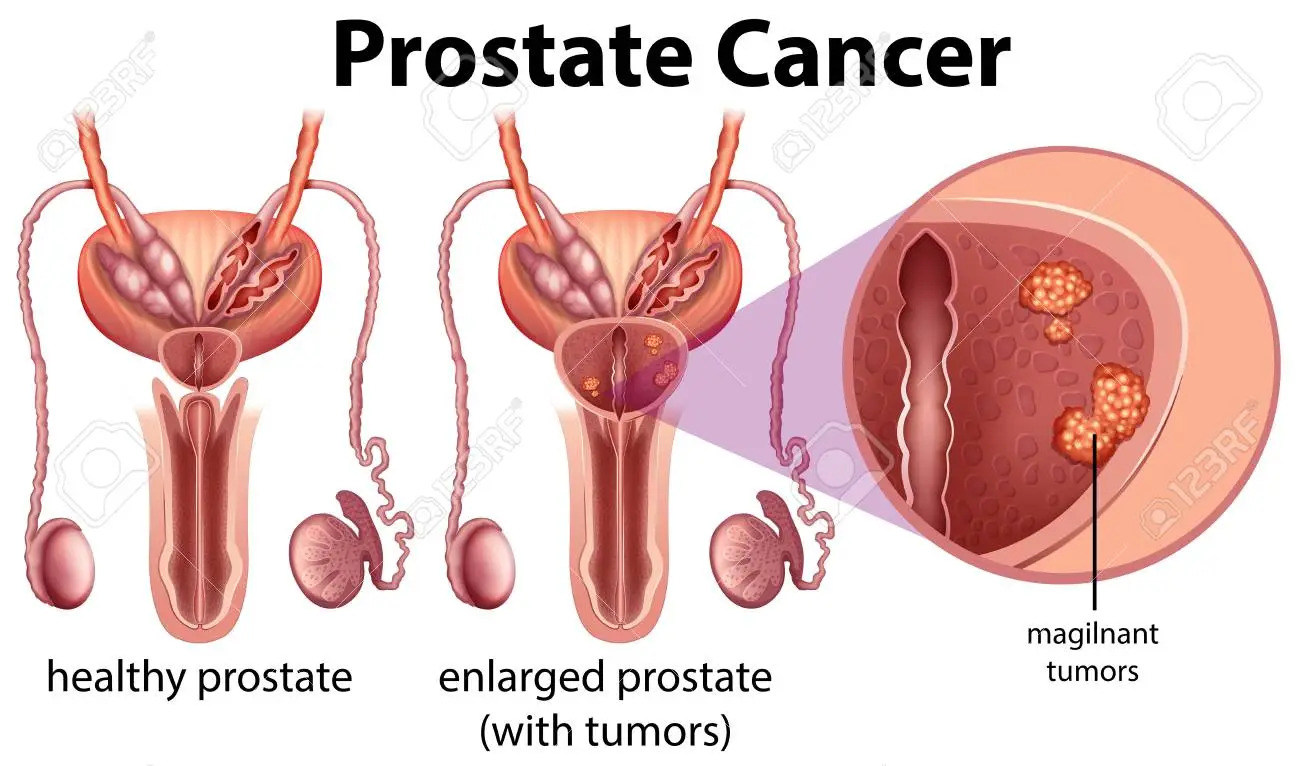
Overview
What is it?
A very common urologic disease.
Overview
What is it?
Symptoms
Prostate cancer may cause no signs or symptoms in its early stages.
Prostate cancer that’s more advanced may cause signs and symptoms such as:
- Trouble urinating
- Decreased force in the stream of urine
- Blood in the urine
- Blood in the semen
- Bone pain
- Losing weight without trying
- Erectile dysfunction
Causes
It’s not clear what causes prostate cancer.
Doctors know that prostate cancer begins when cells in the prostate develop changes in their DNA. A cell’s DNA contains the instructions that tell a cell what to do. The changes tell the cells to grow and divide more rapidly than normal cells do. The abnormal cells continue living, when other cells would die.
The accumulating abnormal cells form a tumor that can grow to invade nearby tissue. In time, some abnormal cells can break away and spread (metastasize) to other parts of the body.
Diagnosis
Testing healthy men with no symptoms for prostate cancer is controversial. There is some disagreement among medical organizations whether the benefits of testing outweigh the potential risks.
Most medical organizations encourage men in their 50s to discuss the pros and cons of prostate cancer screening with their doctors. The discussion should include a review of your risk factors and your preferences about screening.
You might consider starting the discussions sooner if you’re a Black person, have a family history of prostate cancer or have other risk factors
Treatment
Low-grade prostate cancer may not need treatment right away. For some, treatment may never be needed. Instead, doctors sometimes recommend active surveillance.
In active surveillance, regular follow-up blood tests, rectal exams and prostate biopsies may be performed to monitor progression of your cancer. If tests show your cancer is progressing, you may opt for a prostate cancer treatment such as surgery or radiation.
Active surveillance may be an option for cancer that isn’t causing symptoms, is expected to grow very slowly and is confined to a small area of the prostate. Active surveillance may also be considered for someone who has another serious health condition or who is of an advanced age that makes cancer treatment more difficult.

More Information
Frequently Asked Questions
What is the main cause of prostate cancer?
What is the survival rate of a man with prostate cancer?
Is prostate cancer usually curable?