Interstitial Cystitis
Overview
What is it?
A very common urologic disease.
Overview
What is it?
Symptoms
The signs and symptoms of interstitial cystitis vary from person to person. If you have interstitial cystitis, your symptoms may also vary over time, periodically flaring in response to common triggers, such as menstruation, sitting for a long time, stress, exercise and sexual activity.
Interstitial cystitis signs and symptoms include:
- Pain in your pelvis or between the vagina and anus in women
- Pain between the scrotum and anus (perineum) in men
- Chronic pelvic pain
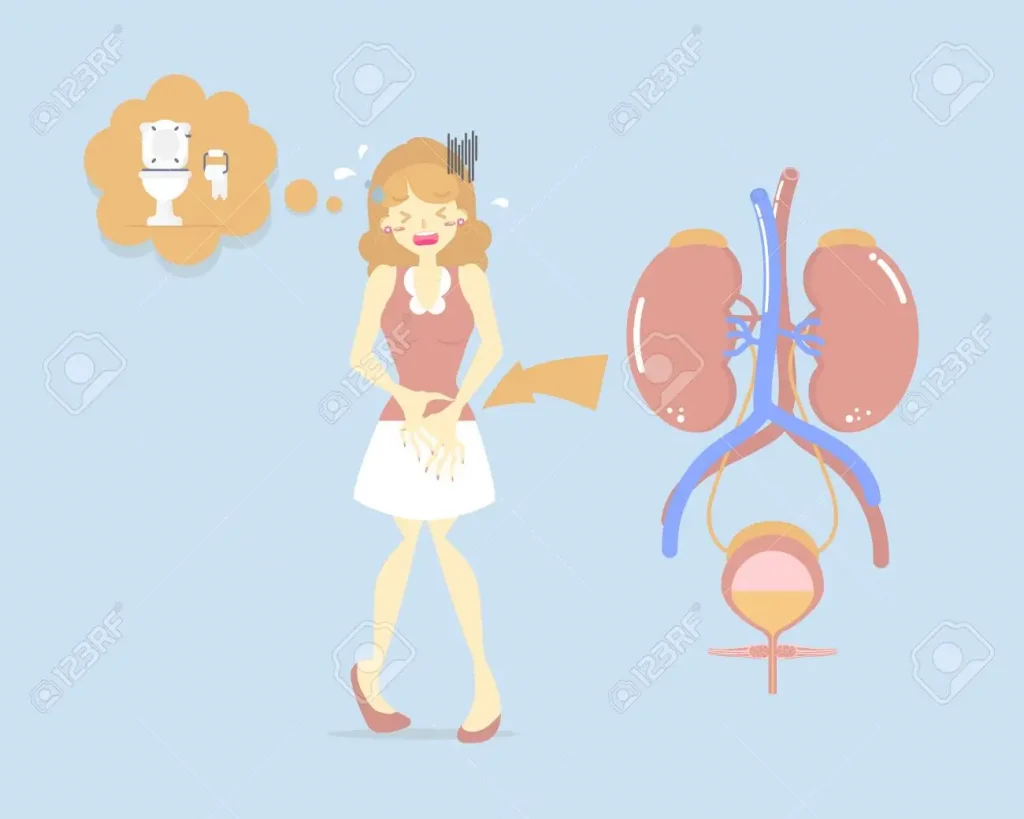
- A persistent, urgent need to urinate
- Frequent urination, often of small amounts, throughout the day and night (up to 60 times a day)
Causes
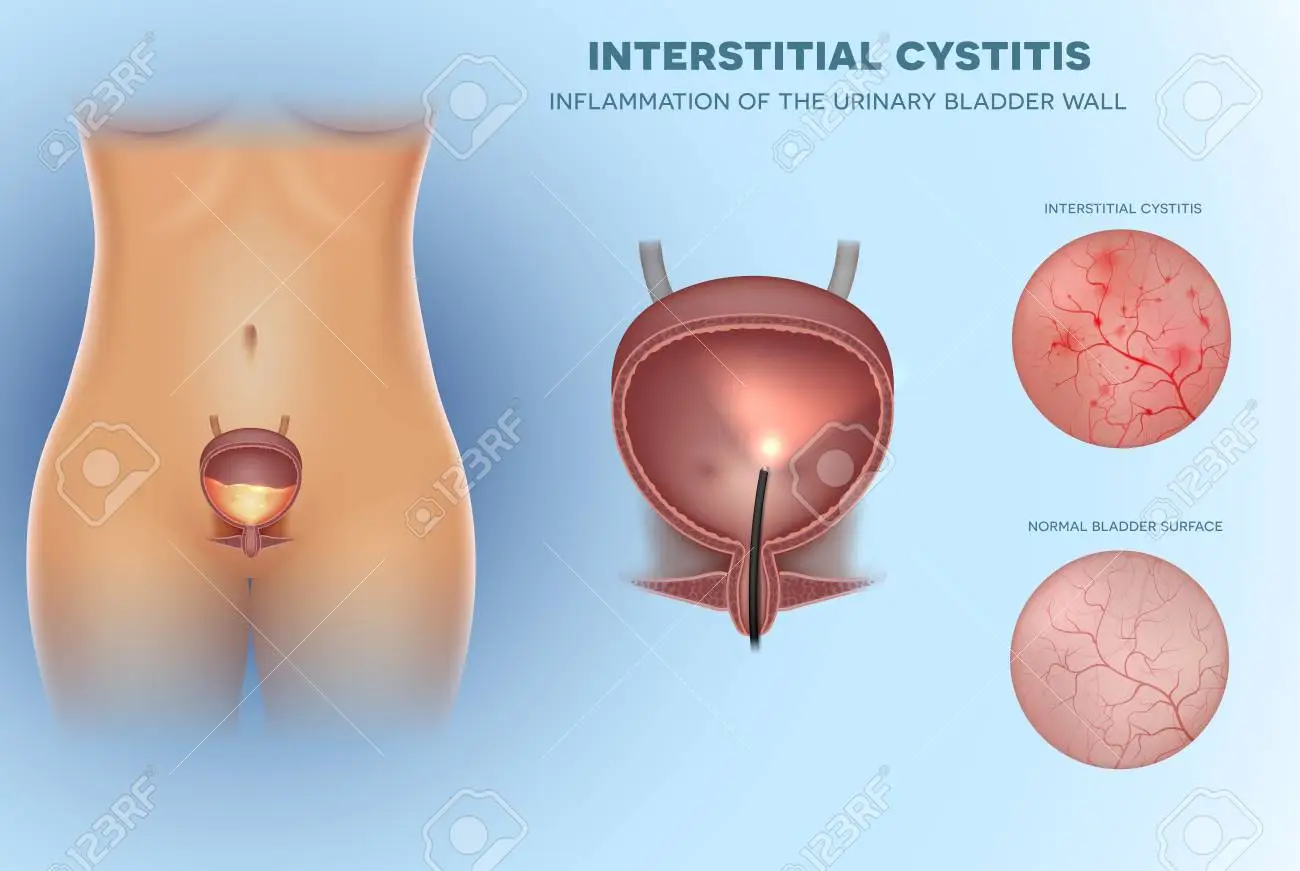
The exact cause of interstitial cystitis isn’t known, but it’s likely that many factors contribute. For instance, people with interstitial cystitis may also have a defect in the protective lining (epithelium) of the bladder. A leak in the epithelium may allow toxic substances in urine to irritate your bladder wall.
Other possible but unproven contributing factors include an autoimmune reaction, heredity, infection or allergy.
Diagnosis
Diagnosis of interstitial cystitis might include:
- Medical history and bladder diary. Your health care provider may ask you to describe your symptoms and to keep a bladder diary, recording the volume of fluids you drink and the volume of urine you pass.
- Pelvic exam. During a pelvic exam, your provider examines your external genitals, vagina and cervix and feels your abdomen to assess your internal pelvic organs. Your provider may also examine your anus and rectum.
- Urine test. A sample of your urine is analyzed for signs of a urinary tract infection.
- Cystoscopy. Your provider inserts a thin tube with a tiny camera (cystoscope) through the urethra, showing the lining of your bladder. Your provider may also inject liquid into your bladder to measure your bladder capacity. Your provider may perform this procedure, known as hydrodistention, after you’ve been numbed with an anesthetic medication to make you more comfortable.
Treatment
No simple treatment eliminates the signs and symptoms of interstitial cystitis, and no one treatment works for everyone. You may need to try various treatments or combinations of treatments before you find an approach that relieves your symptoms.
Physical therapy
Working with a physical therapist may relieve pelvic pain associated with muscle tenderness, restrictive connective tissue or muscle abnormalities in your pelvic floor.
Oral medications
Certain medicines that you take by mouth (oral medications) may improve signs and symptoms of interstitial cystitis:
- Nonsteroidal anti-inflammatory drugs, such as ibuprofen (Advil, Motrin IB, others) or naproxen sodium (Aleve), to relieve pain.
- Tricyclic antidepressants, such as amitriptyline or imipramine (Tofranil), to help relax your bladder and block pain.
- Antihistamines, such as loratadine (Claritin, others), which may reduce urinary urgency and frequency and relieve other symptoms.

More Information
Frequently Asked Questions
Can you live a normal life with IC?
What things irritate interstitial cystitis?
Do you feel unwell with interstitial cystitis?