Erectile Dysfunction
Overview
What is it?
A very common urologic disease.
Overview
What is it?
Symptoms
Erectile dysfunction symptoms might include persistent:
- Trouble getting an erection
- Trouble keeping an erection
- Reduced sexual desire
Causes
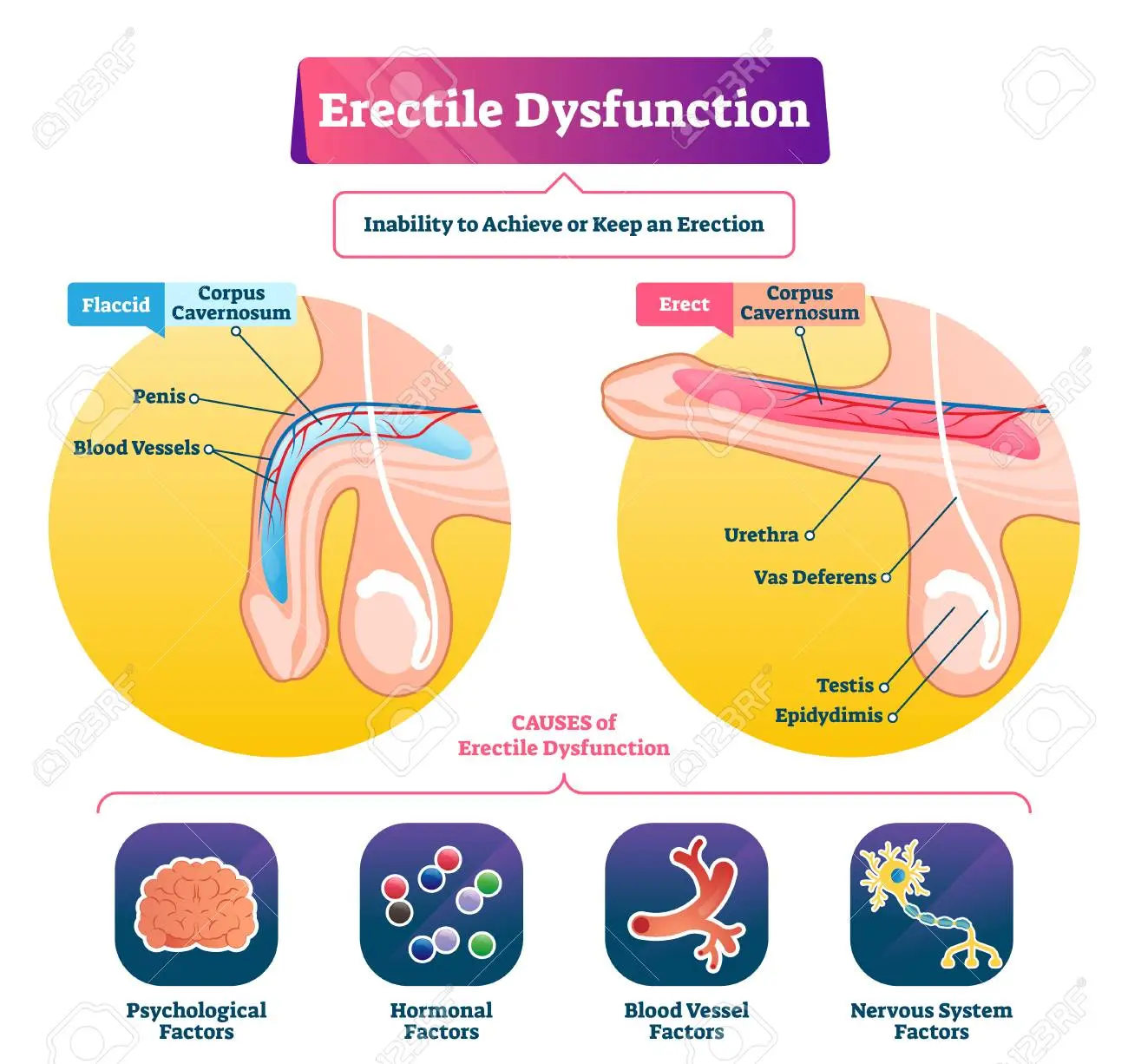
ED can be caused by a number of factors, including:
- Vascular disease: Blood supply to the penis can become blocked or narrowed as a result of vascular disease such as atherosclerosis (hardening of the arteries).
- Neurological disorders (such as multiple sclerosis): Nerves that send impulses to the penis can become damaged from stroke, diabetes, or other causes.
- Psychological states: These include stress, depression, lack of stimulus from the brain and performance anxiety.
- Trauma: An injury could contribute to symptoms of ED.
Chronic illness, certain medications, and a condition called Peyronie’s disease can also cause ED. Operations for the prostate, bladder, and colon cancer may also be contributing factors.
Diagnosis
Because there are a variety of causes for ED, there are several different tests your doctor may use to diagnose the condition and determine its cause. Only after the cause of ED is determined can it be effectively treated.
Before ordering any tests, your doctor will review your medical history and perform a thorough physical examination. The doctor will also “interview” you about your personal and sexual history. Some of these questions will be very personal and may feel intrusive. However, it is important that you answer these questions honestly. The questions asked may include:
- What medications or drugs are you currently using? This includes prescription drugs, over-the-counter drugs, herbals, dietary supplements and illegal drugs.
- Have you had any psychological problems such as stress, anxiety and depression?
- When did you first notice symptoms of ED?
- What are the frequency, quality and duration of any erections you have had?
- What are the specifics of the circumstances under which ED first occurred?
- Do/did you experience erections at night or during the morning?
- What sexual techniques do you use?
- Are there problems in your current relationship?
The doctor may also wish to interview your sexual partner since your partner may be able to offer in sight about the underlying causes.
Treatment
ED can be treated in many ways, including:
- Oral medications.
- Sex therapy.
- Penile injections.
- Vacuum devices.
- Intraurethral medication.
- Surgery (penile implant).
Each type has its own pros and cons. Discuss your options with your doctor to determine the best treatment for you.
The first step to treating ED is to find the underlying cause. Then the appropriate treatment can begin. There are a number of non-surgical and surgical options that can help a man regain normal sexual function.

More Information
Frequently Asked Questions
Can a man with ED still come?
Does masturbation cause erectile dysfunction?
What is the best exercise for erectile dysfunction?