Peyronie’s Disease
Overview
What is it?
A very common urologic disease.
Overview
What is it?
Symptoms
Peyronie’s disease signs and symptoms might appear suddenly or develop gradually. The most common signs and symptoms include:
- Scar tissue. The scar tissue associated with Peyronie’s disease — called plaque but different from plaque that can build up in blood vessels — can be felt under the skin of the penis as flat lumps or a band of hard tissue.
- A significant bend to the penis. Your penis might curve upward or downward or bend to one side.
- Erection problems. Peyronie’s disease might cause problems getting or maintaining an erection (erectile dysfunction). But, often men report erectile dysfunction before the beginning of Peyronie’s disease symptoms.
Causes
The cause of Peyronie’s disease isn’t completely understood, but a number of factors appear to be involved.
It’s thought Peyronie’s disease generally results from repeated injury to the penis. For example, the penis might be damaged during sex, athletic activity or as the result of an accident. However, most often, no specific trauma to the penis is recalled.
During the healing process after injury to the penis, scar tissue forms in a disorganized manner. This can lead to a nodule you can feel or development of curvature.
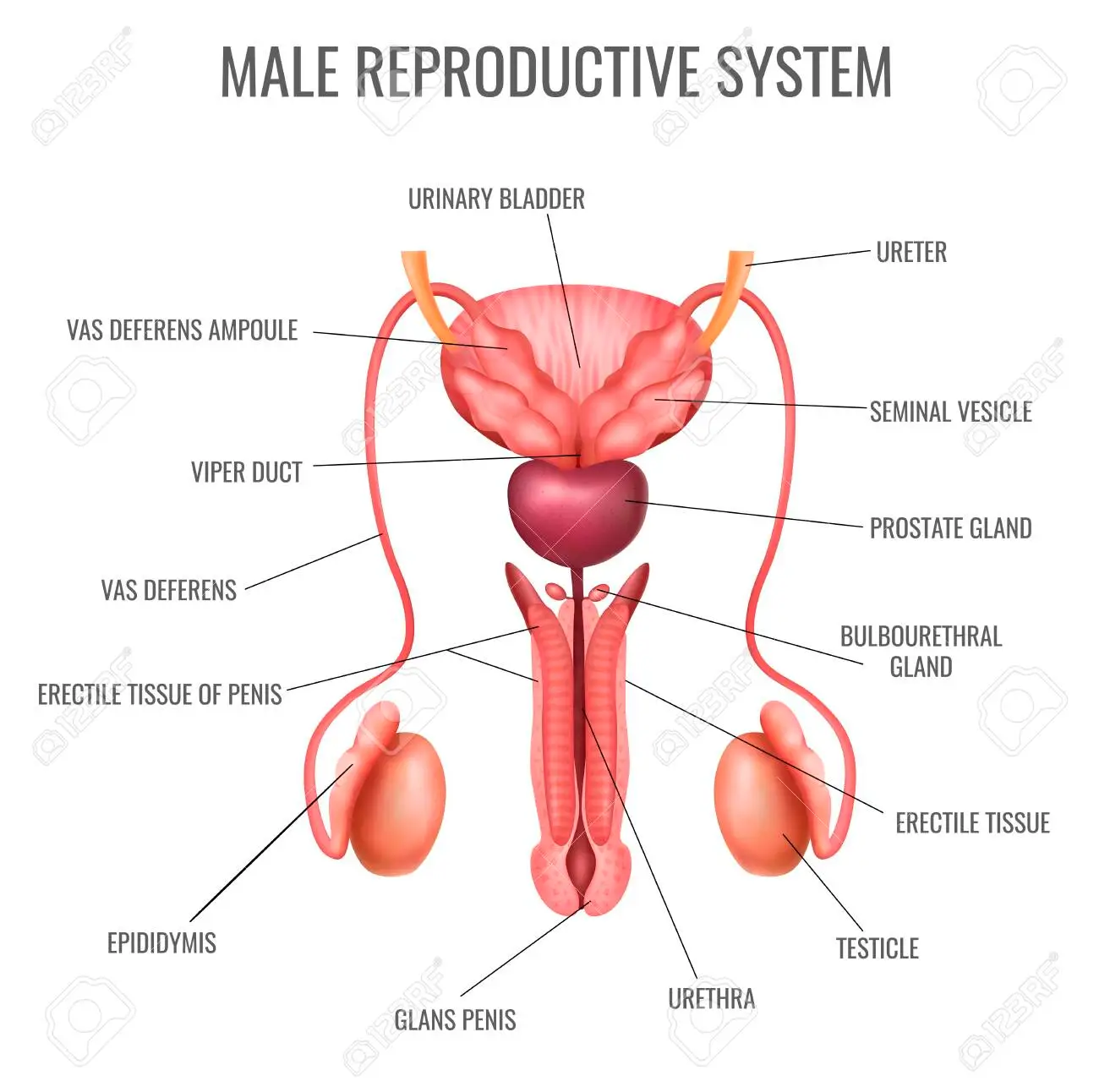
Each side of the penis contains a spongelike tube (corpus cavernosum) that contains many tiny blood vessels. Each of the corpora cavernosa is encased in a sheath of elastic tissue called the tunica albuginea (TOO-nih-kuh al-BYOO-JIN-e-uh), which stretches during an erection.
Diagnosis
A physical exam is often sufficient to identify the presence of scar tissue in the penis and diagnose Peyronie’s disease. Rarely, other conditions cause similar symptoms and need to be ruled out.
Tests to diagnose Peyronie’s disease and understand exactly what’s causing your symptoms might include the following:
- Physical exam. Your doctor will feel (palpate) your penis when it’s not erect, to identify the location and amount of scar tissue. He or she might also measure the length of your penis. If the condition continues to worsen, this initial measurement helps determine whether the penis has shortened.
Your doctor might also ask you to bring in photos of your erect penis taken at home. This can determine the degree of curvature, location of scar tissue or other details that might help identify the best treatment approach.
- Other tests. Your doctor might order an ultrasound or other tests to examine your penis when it’s erect. Before testing, you’ll likely receive an injection directly into the penis that causes it to become erect.
Treatment
Treatment recommendations for Peyronie’s disease depend on how long it’s been since you began having symptoms.
- Acute phase. You have penile pain or changes in curvature or length or a deformity of the penis. The acute phase happens early in the disease and may last only two to four weeks but sometimes lasts for up to a year or longer.
- Chronic phase. Your symptoms are stable, and you have no penile pain or changes in curvature, length or deformity of the penis. The chronic phase happens later in the disease and generally occurs around three to 12 months after symptoms begin.
For the acute phase of the disease, treatments range from:
- Recommended. When used early in the disease process, penile traction therapy prevents length loss and minimizes the extent of curvature that occurs.
- Optional. Medical and injection therapies are optional in this phase, with some more effective than others.

More Information
Frequently Asked Questions
How does a man get Peyronie's disease?
Can I fix Peyronie's disease myself?
What is the best treatment for Peyronie disease?