Most patients with blood in the urine do not have major problems. In fact, for many, a cause is not known. In those patients with a more serious condition, finding this early can be lifesaving. It is of great value to get tested and not ignore these findings especially if blood is seen in your urine.
Hematuria
Get Hematuria Treatment from Orange County Urologic Institute.
Overview
What is it?
A very common urologic disease.
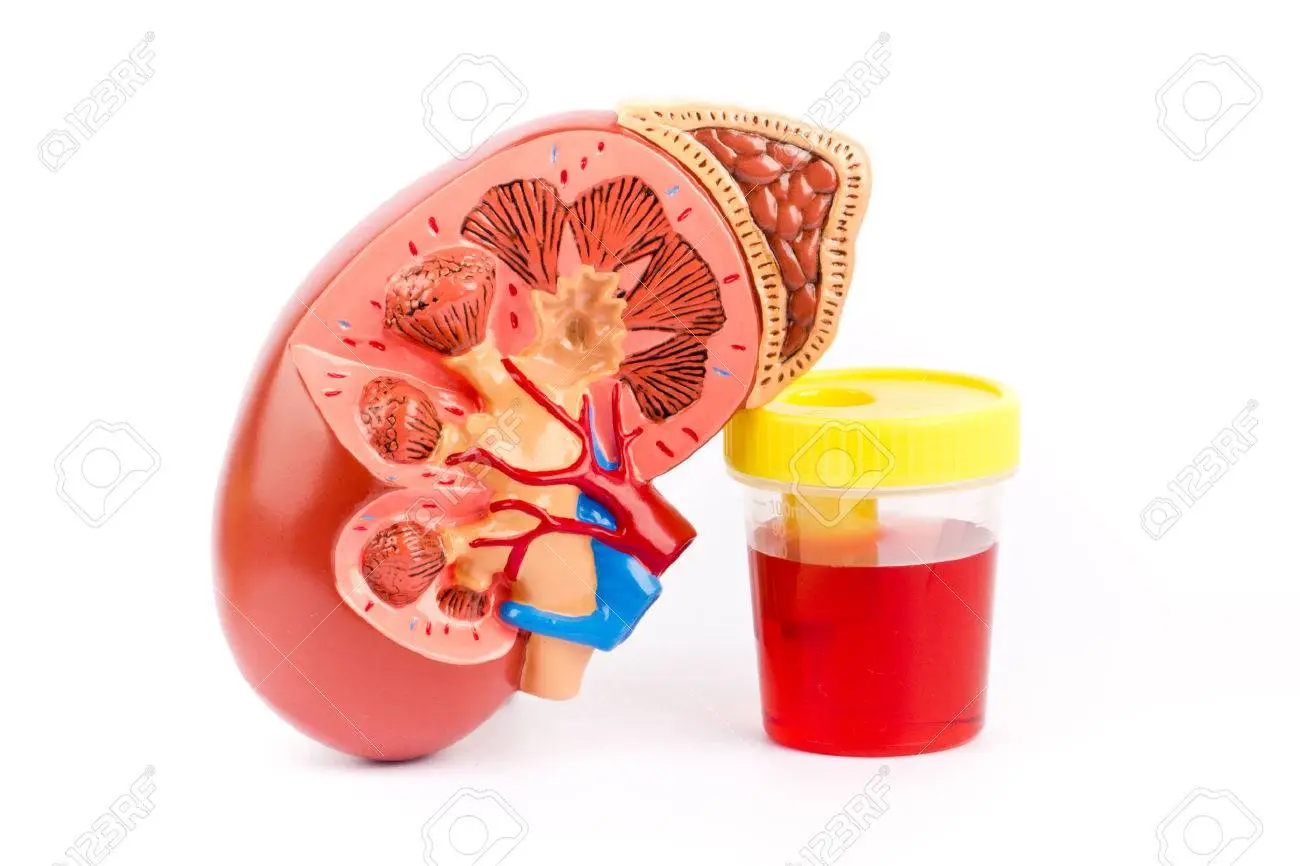
Hematuria is blood in the urine. When the urine is red or pink this could be linked to blood in the urine and is called “gross” or “visible” hematuria. Sometimes, blood is in the urine but is not easily seen and it is called “microscopic” hematuria since it can only be seen under a microscope.
Overview
What is it?
Symptoms
People with gross hematuria have urine that is pink, red, or brown. Even a small amount of blood in the urine can cause urine to change color. In most cases, people with gross hematuria do not have other signs and symptoms. People with gross hematuria that includes blood clots in the urine may have bladder pain or pain in the back.
Causes
- Urinary infection
- Enlarged Prostate in older men
- Kidney or bladder stones
- Period in women
- Prostate infection
- Kidney disease
- Kidney trauma
- Bladder cancer (mostly in smokers)
- Kidney cancer
- Cancer of the lining of the urinary tract
- Anti-swelling drugs (joint swelling and pain pills)
- Tough workout
When blood is found in the urine, health care providers want to make sure there is not a serious health issue involved such as a tumor in the kidney, urinary tract or bladder. Urological cancers are rarely the cause of blood in the urine but can be life threatening.
Diagnosis
Your doctor will want to review the risks for cancer and learn if there are other causes of the blood in your urine. This often involves an exam and your doctor learning your full health record to see if you have risks for cancer such as smoking, prior radiation, chemotherapy or environmental exposures. The doctor will also be looking for non-cancer causes for the blood in the urine, such as recent trauma, a urinary tract infection (UTI) or other procedures.
If further testing is needed, then your doctor will arrange for these tests. If nothing is found to explain the blood in the urine, then your doctor may assess your level of risk for cancer as low, intermediate or high. These levels of risk are based on known risks for bladder cancer such as:
- smoking history
- age
- gender
- symptoms
Treatment

More Information
Frequently Asked Questions
Is hematuria always serious?
While in many instances the cause is harmless, blood in urine (hematuria) can indicate a serious disorder. Blood that you can see is called gross hematuria. Urinary blood that's visible only under a microscope (microscopic hematuria) is found when your doctor tests your urine.
How long does it take for hematuria to go away?
How long hematuria lasts depends on its underlying cause. For example, hematuria related to strenuous exercise typically goes away on its own within 24 to 48 hours. Hematuria resulting from a urinary tract infection will end when the infection is cured.
Is hematuria an emergency?
Gross hematuria is among the urologic emergency conditions that should be assessed immediately. It is characterized by blood in the urine that is clearly seen by the naked eye. Blood can range in color from bright red to brown, and is symptomatic of an underlying medical condition.