Bladder Cancer
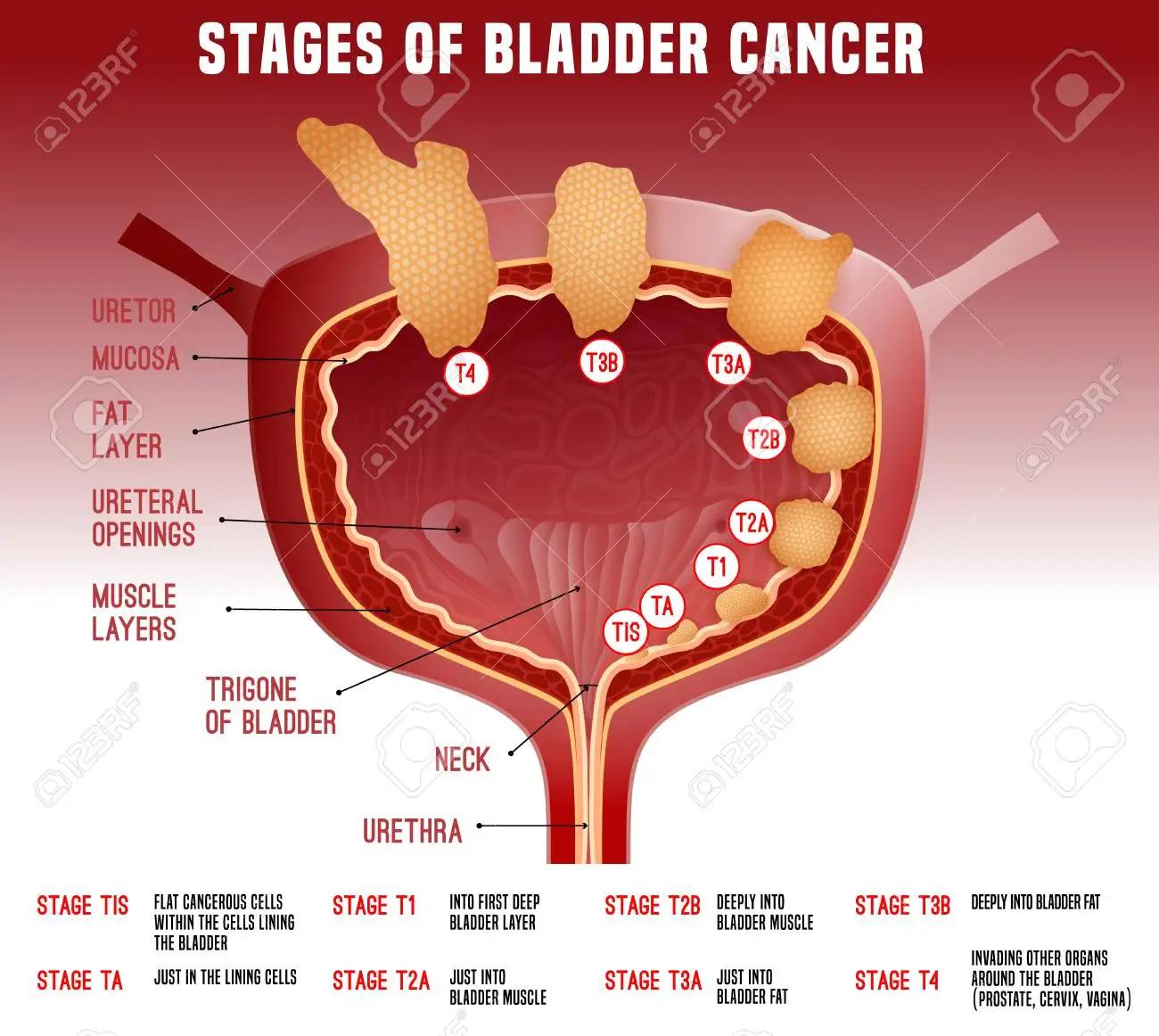
Overview
What is it?
A very common urologic disease.
Overview
What is it?
Symptoms
Bladder cancer signs and symptoms may include:
- Blood in urine (hematuria), which may cause urine to appear bright red or cola colored, though sometimes the urine appears normal and blood is detected on a lab test
- Frequent urination
- Painful urination
- Back pain
Causes
Bladder cancer begins when cells in the bladder develop changes (mutations) in their DNA. A cell’s DNA contains instructions that tell the cell what to do. The changes tell the cell to multiply rapidly and to go on living when healthy cells would die. The abnormal cells form a tumor that can invade and destroy normal body tissue. In time, the abnormal cells can break away and spread (metastasize) through the body.
Diagnosis
Your doctor will want to analyze your urine (urinalysis) to determine if an infection could be a cause of your symptoms. A microscopic examination of the urine, called cytology, will look for cancer cells.
A cystoscopy is the main procedure to identify and diagnose bladder cancer. In this procedure, a lighted telescope (cystoscope) is inserted into your bladder from the urethra to view the inside of the bladder and, when done under anesthesia, take tissue samples (biopsy), which are later examined under a microscope for signs of cancer. When this procedure is done in the doctor’s office, local anesthesia gel is placed into the urethra prior to the procedure to minimize the discomfort.
If the diagnosis of bladder cancer is made, then the next step is to remove the tumor for detailed staging and diagnosis.
Treatment
There are four types of treatment for patients with bladder cancer. These include:
- Surgery
- Chemotherapy
- Intravesical chemotherapy or immunotherapy for superficial cancers
- Radiation therapy
Sometimes, combinations of these treatments will be used.
Surgical options
Surgery is a common treatment option for bladder cancer. The type of surgery chosen will depend on the stage of the cancer.
- Transurethral resection of the bladder is used most often for early stage disease (TA, T1, or CIS). It is done under general or spinal anesthesia. In this procedure, a special telescope called a resectoscope is inserted through the urethra into the bladder. The tumor is then trimmed away with the resectoscope, using a wire loop, and the raw surface of the bladder is then fulgurated (destroyed with an electric current).

More Information
Frequently Asked Questions
Is bladder cancer usually caught early?
Can you live a normal life with bladder cancer?
What happens to your body when you have bladder cancer?