Please ensure Javascript is enabled for purposes of website accessibility

Benign Prostatic Hyperplasia

Get Benign Prostatic Hyperplasia Treatment from Orange County Urologic Institute.
benign prostatic hyperplasia 1
Overview

What is it?

A very common urologic disease.
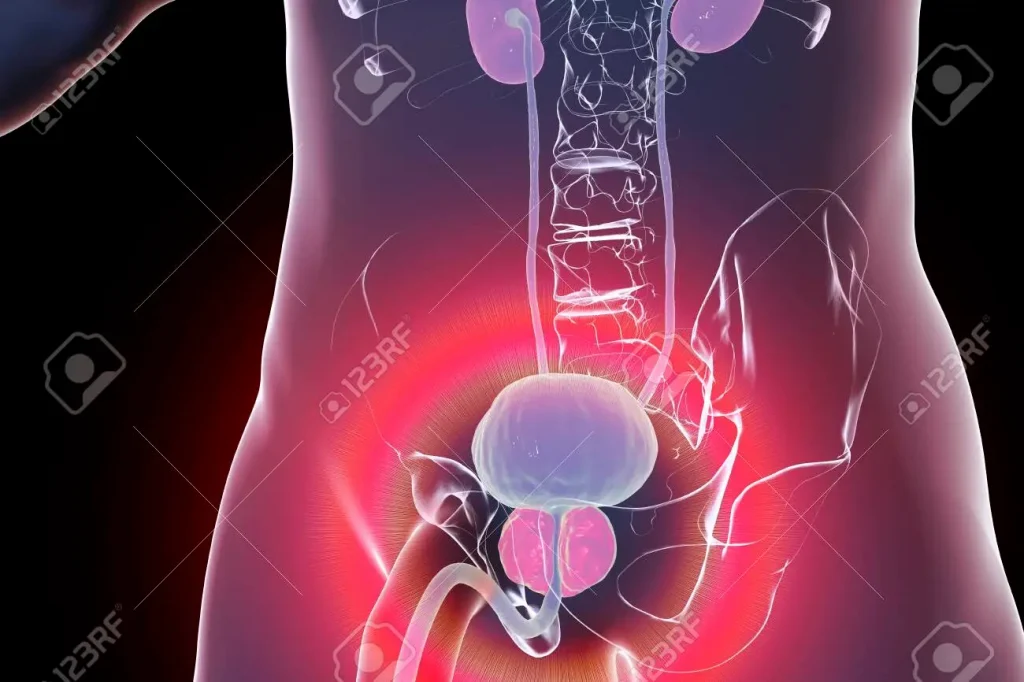
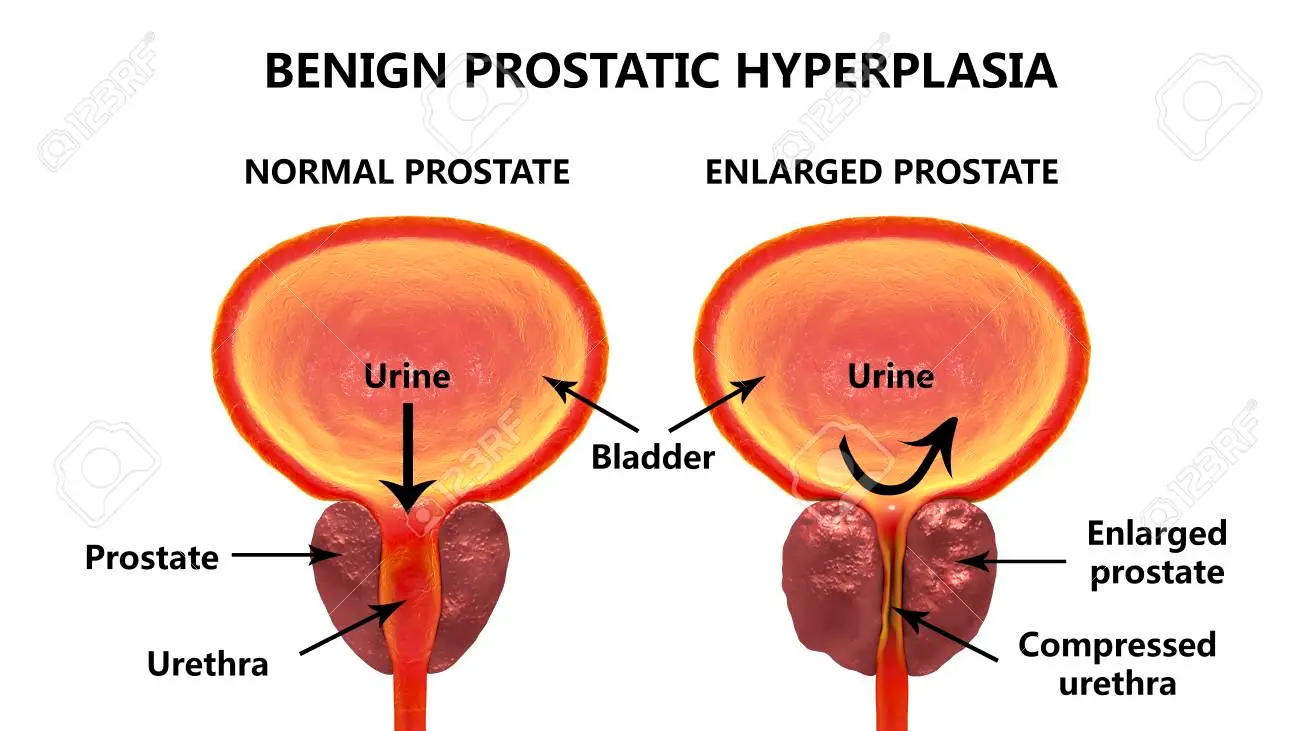
Benign prostatic hyperplasia (BPH) — also called prostate gland enlargement — is a common condition as men get older. An enlarged prostate gland can cause uncomfortable urinary symptoms, such as blocking the flow of urine out of the bladder. It can also cause bladder, urinary tract or kidney problems.
Overview

What is it?

Symptoms

The severity of symptoms in people who have prostate gland enlargement varies, but symptoms tend to gradually worsen over time. Common signs and symptoms of BPH include:

  • Frequent or urgent need to urinate
  • Increased frequency of urination at night (nocturia)
  • Difficulty starting urination
  • Weak urine stream or a stream that stops and starts
  • Dribbling at the end of urination
  • Inability to completely empty the bladder

Less common signs and symptoms include:

  • Urinary tract infection
  • Inability to urinate
  • Blood in the urine

Causes

The causes of BPH are not clear. It mainly occurs in older men. Hormone changes are thought to play a role.

Hormones from the testis may be the main factor. For example, as men age, the amount of active testosterone in the blood declines. Estrogen levels stay the same.

BPH may occur when these hormone changes trigger prostate cell growth. Another theory is about the role of dihydrotestosterone (DHT). This male hormone supports prostate development. Some studies show that older men have higher levels of DHT. Testosterone levels go down.

Diagnosis

See your doctor if you have symptoms that might be BPH. See your doctor right away if you have blood in your urine, pain or burning when you urinate, or if you cannot urinate.

There are many tests for BPH. The following tests are used to diagnose and track BPH.

Symptom Score Index

If you have any urinary changes or symptoms, your doctor may talk to you about the BPH Symptom Score Index. The American Urological Association (AUA) developed this test to assess urinary symptoms.

This is often the first step to diagnose BPH. The score can rate BPH as being mild to severe. You and your health care provider may talk about your results and your medical history. This is sometimes also called the International Prostate Symptom Score (IPSS).

Take the test and talk with your doctor about your results.

Physical Exam

A digital rectal exam (DRE) is often the next step. During a DRE, you lie on your side or bend over. The doctor inserts a gloved, lubricated finger into your rectum to feel the back wall of the prostate gland. The health care provider is looking for enlargement, tenderness, lumps or hard spots. This 10-15 second exam is an important way to find problems.

Urine Tests

These tests are done to measure how well you release urine. This shows the doctor if the urethra is blocked or obstructed. There are several types:

  • Urinalysis tests your urine sample to check for important things such as blood, signs of infection, glucose (sugar), protein and other factors that can tell your urologist the cause of your symptoms. Urine tests are also used to screen for bladder cancer. If you have blood in your urine, pain or burning when you pass urine, or you cannot pass urine, it is important to see your doctor right away.
  • Post-void residual volume (PVR) measures urine left in the bladder after passing urine. This is done to diagnose the problem. It may also be done before surgery.

Treatment

There are many options for treating BPH. You and your doctor will decide together which treatment is right for you. Mild cases may need no treatment at all. In some cases, minimally invasive procedures (surgery without anesthesia) are good choices. And sometimes a combination of treatments works best.

The main types of treatments for BPH are:
Active Surveillance

Often, BPH will only require active surveillance. If you and your doctor choose this treatment option, your BPH will be closely watched but not actively treated. This means that BPH is monitored with regular visits to your urologist. A yearly exam is common. Your health care provider will look for worse or new issues before suggesting anything else. Diet and exercise are often recommended as a way to prevent or manage your symptoms.

Active surveillance is best for men with mild to moderate symptoms. It is also an option for men who are not bothered by the effects of BPH. If your symptoms get worse, or if new symptoms appear, your doctor may suggest that you begin active treatment.

Prescription Drugs

Prescription drugs may also be an option for men with BPH. Types of drugs include:

Alpha Blockers

Alpha blockers are pills used to relax the muscles of the prostate and bladder to reduce BPH symptoms.

They do not shrink the prostate but they may improve urine flow if there is a blockage. One benefit of alpha blockers is they start to work right away. Side effects may include dizziness, lightheadedness, fatigue and difficulty ejaculating. Men with moderate to severe BPH and men who are bothered by their symptoms are good candidates. Alpha blockers are not a good choice if you plan to have cataract surgery soon.

Alpha-blocking drugs include alfuzosin, doxazosin, silodosin, tamsulosin and terazosin.

benign prostatic hyperplasia 2
More Information

Frequently Asked Questions

All men with BPH should avoid medicines that can worsen symptoms or cause urinary retention. These include certain antihistamines (such as diphenhydramine [Benadryl]) and decongestants (eg, pseudoephedrine [found in some cold medicines])
Even if you have an enlarged prostate, that does not mean you must live with the symptoms for the rest of your life. Your doctor might advise one of several approaches to coping with BPH, including lifestyle changes, medication changes, and other treatments.
BPH is considered a normal condition of aging. Although the exact cause is unknown, changes in male sex hormones that come with aging may be a factor. Any family history of prostate problems or any abnormalities with your testicles may raise your risk for BPH.
benign prostatic hyperplasia 3
Scroll to Top