Hormone Replacement Therapy
Get Hormone Replacement Therapy Treatment from Orange County Urologic Institute.
Overview
What is it?
A very common urologic disease.
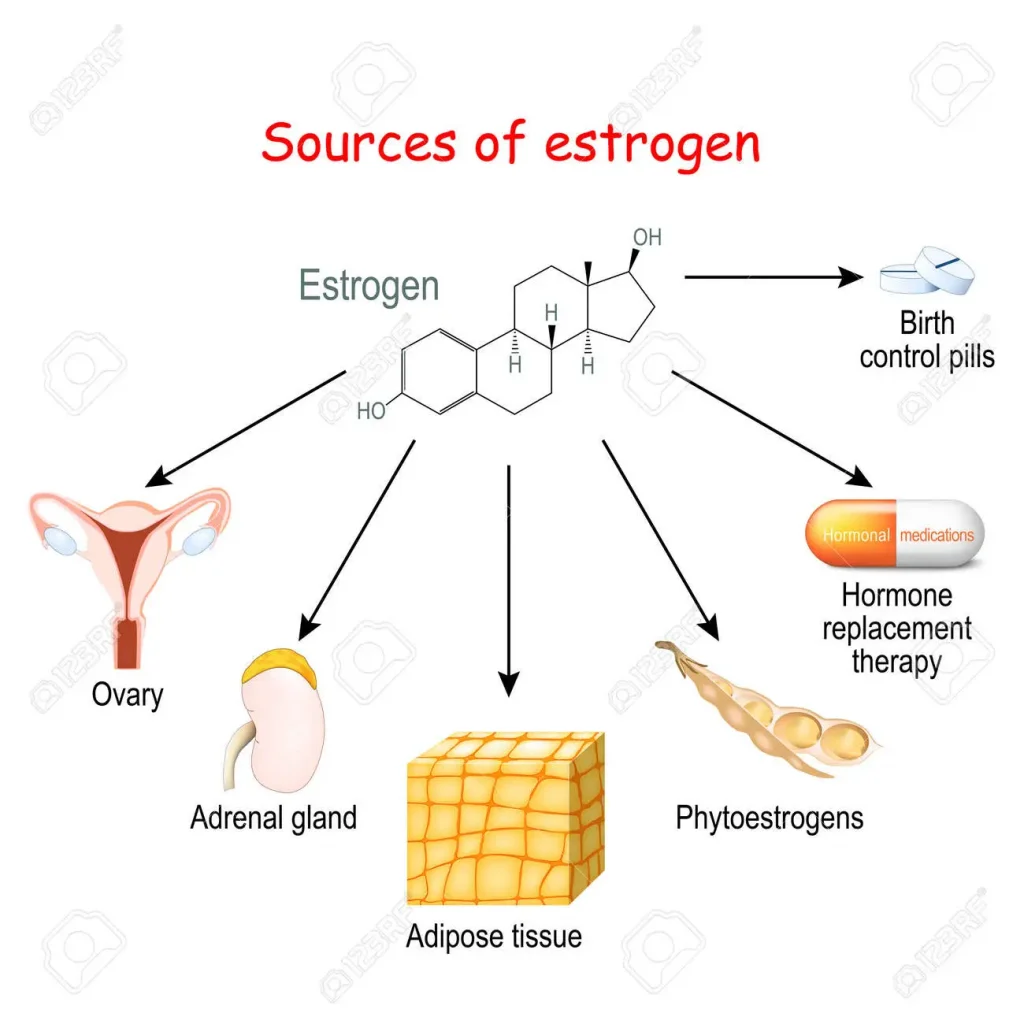
Hormone replacement therapy is medication that contains female hormones. You take the medication to replace the estrogen that your body stops making during menopause. Hormone therapy is most often used to treat common menopausal symptoms, including hot flashes and vaginal discomfort.
Overview
What is it?
Symptoms
–
Causes
–
Diagnosis
Signs and symptoms of menopause are usually enough to tell most women that they’ve started the menopausal transition. If you have concerns about irregular periods or hot flashes, talk with your doctor. In some cases, further evaluation may be recommended.
Tests typically aren’t needed to diagnose menopause. But under certain circumstances, your doctor may recommend blood tests to check your level of:
- Follicle-stimulating hormone (FSH) and estrogen (estradiol), because your FSH levels increase and estradiol levels decrease as menopause occurs
- Thyroid-stimulating hormone (TSH), because an underactive thyroid (hypothyroidism) can cause symptoms similar to those of menopause
Treatment
- Estrogen pill. Pills are the most common treatment for menopausal symptoms. Among the many forms of pills available are conjugated estrogens (Cenestin, Estrace, Estratab, Femtrace, Ogen, and Premarin) or estrogens-bazedoxifene (Duavee). Follow your doctor’s instructions for dosing. Most estrogen pills are taken once a day without food. Some have more complicated dosing schedules.
- Estrogen patch. The patch is worn on the skin of your abdomen. Depending on the dose, some patches are replaced every few days, while others can be worn for a week. Examples are Alora, Climara, Estraderm, and Vivelle-Dot. Combination estrogen and progestin patches — like Climara Pro and Combipatch — are also available. Menostar has a lower dose of estrogen than other patches, and it’s only used for reducing the risk of osteoporosis. It doesn’t help with other menopause symptoms.
- Topical Estrogen. Creams, gels and sprays offer other ways of getting estrogen into your system. Examples include gels (like EstroGel and Divigel), creams (like Estrasorb), and sprays (like Evamist). As with patches, this type of estrogen treatment is absorbed through the skin directly into the bloodstream. The specifics on how to apply these creams vary, although they’re usually used once a day. EstroGel is applied on one arm, from the wrist to the shoulder. Estrasorb is applied to the legs. Evamist is applied to the arm.

More Information
Frequently Asked Questions
Who should consider hormone therapy?
Despite the inherent health risks, estrogen is still the gold standard for treating menopausal symptoms. For women who experience moderate to severe hot flashes or other menopausal symptoms, the benefits of short-term therapy outweigh the potential risks.
Who should avoid hormone therapy?
Women with breast cancer, heart disease or a history of blood clots should not take hormone therapy for relief of menopause symptoms. Women who don't suffer from menopause symptoms should not take hormone therapy for preventing memory loss or strokes. Instead, talk to your doctor about other medications you can take or lifestyle changes you can make for long-term protection from these conditions.
What can you do if you can't take hormone therapy?
Women shouldn't have to suffer through menopause. You may be able to manage your menopausal symptoms by making healthy lifestyle choices. In fact, your doctor may recommend that you change your exercise or eating habits before you try medication. If lifestyle changes aren't providing enough relief from bothersome symptoms, there are many medications besides hormone therapy to relieve discomfort.