Please ensure Javascript is enabled for purposes of website accessibility

Vasectomy & Vas Reversal
Get Vasectomy & Vas Reversal Treatment from Orange County Urologic Institute.
Vasectomy & Vas Reversal 1
Overview

What is it?

A very common urologic disease.
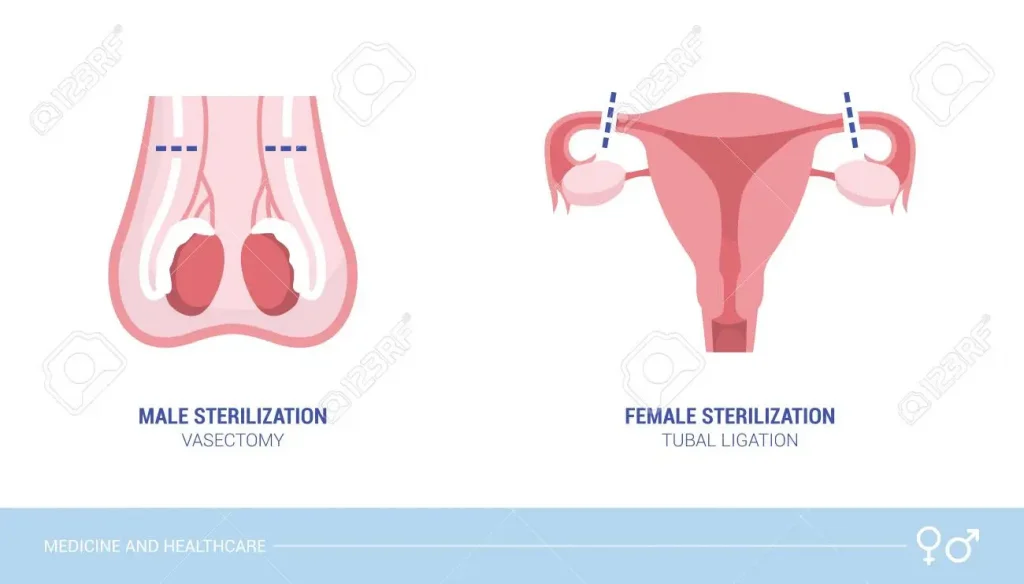
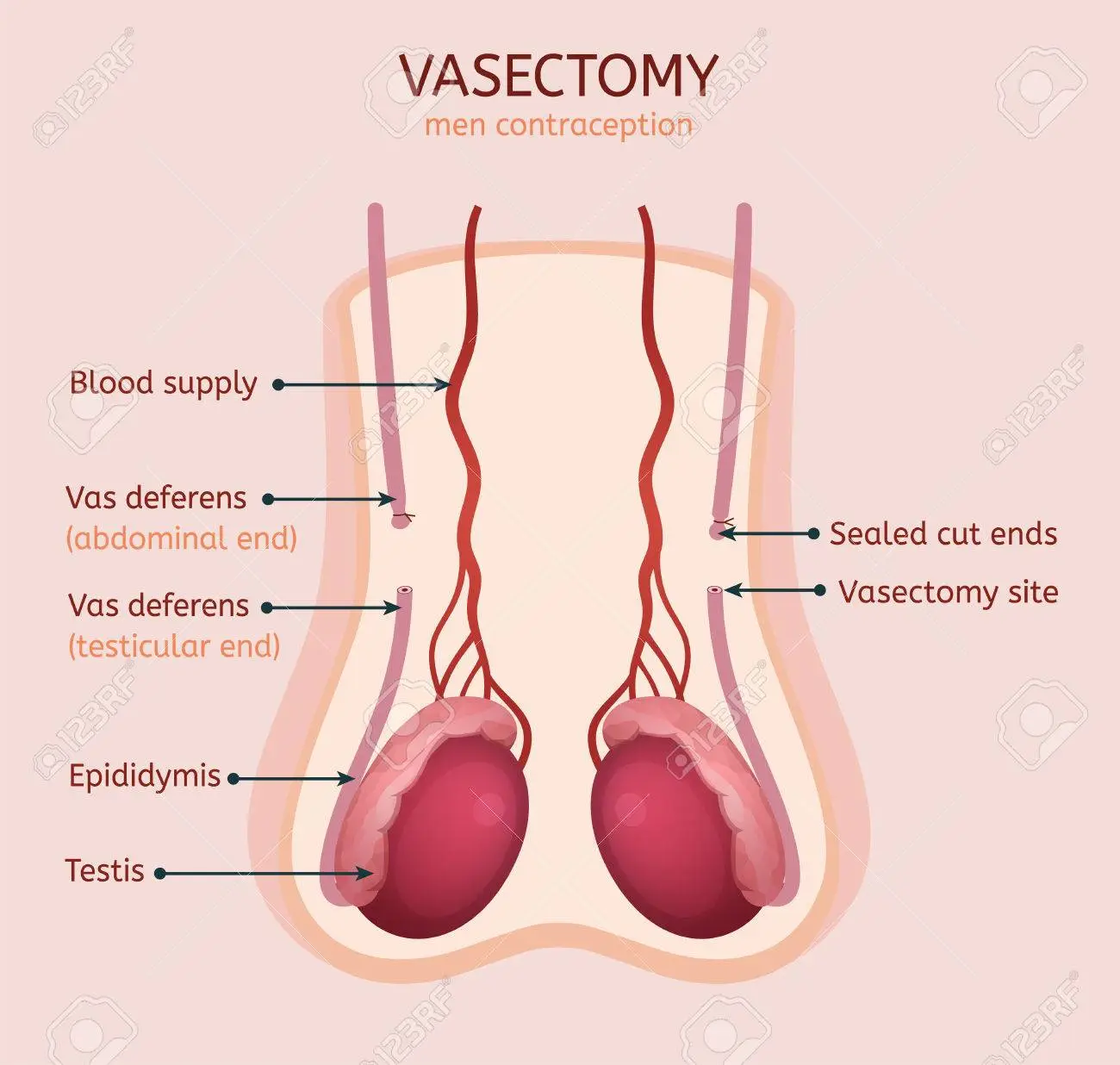
Vasectomy is minor surgery to block sperm from reaching the semen that is ejaculated from the penis. Semen still exists, but it has no sperm in it. A vasectomy prevents pregnancy better than any other method of birth control, except abstinence. Only 1 to 2 women out of 1,000 will get pregnant in the year after their partners have had a vasectomy. Vasectomy reversal reconnects the pathway for the sperm to get into the semen. Most often, the cut ends of the vas are reattached. In some cases, the ends of the vas are joined to the epididymis.
Overview

What is it?

Symptoms

Causes

Diagnosis

Treatment

Reversals are most often done on a come-and-go basis by a urologist. Reversals can be done in an outpatient part of a hospital or at a surgery center. If a surgical microscope is used, the surgery is done while you’re asleep under anesthesia. Your urologist and anesthesiologist will talk with you about your choices.

Using microsurgery is the best way to do this surgery. A high-powered microscope used during your surgery magnifies the small tubes 5 to 40 times their size. Your urologist can use stitches much thinner than an eyelash or even a hair to join the ends of the vas.

After you’re asleep, your urologist will make a small cut on each side of the scrotum. Your urologist will trim the scarred ends of the vas where they were closed by the vasectomy. Your urologist will take fluid, (“vasal fluid”) from the vasal end closest to the testis. Your doctor will check to see if it has sperm in it. At this point, there are 2 types of reversal procedures you can have.
Vasectomy & Vas Reversal 2
More Information

Frequently Asked Questions

Vasectomy reversals are most often done by urologists, but not all urologists do this type of surgery often. You should ask your urologist how many he/she has done, and to what level of success. If your urologist thinks you should have microsurgery, you should ask about his/her track record. This technique calls for extra training and expertise.
Almost all vasectomies can be reversed. But if the vasectomy was done while fixing a hernia in the groin it may not be as easy to join the ends of the vas. The ends also may not be able to be joined if a very long piece was removed during the vasectomy, but this is rare.
Your age shouldn't affect the results of your vasectomy reversal. Most men keep making sperm for many years after their partners stop making eggs. Women become less fertile starting in their mid-30s, with a major drop around age 37. Your partner should check with her gynecologist to see if she is still ovulating before you agree to a reversal.
Vasectomy & Vas Reversal 3
Scroll to Top