Overflow Incontinence
Get Overflow Incontinence Treatment from Orange County Urologic Institute.
Overview
What is it?
A very common urologic disease.
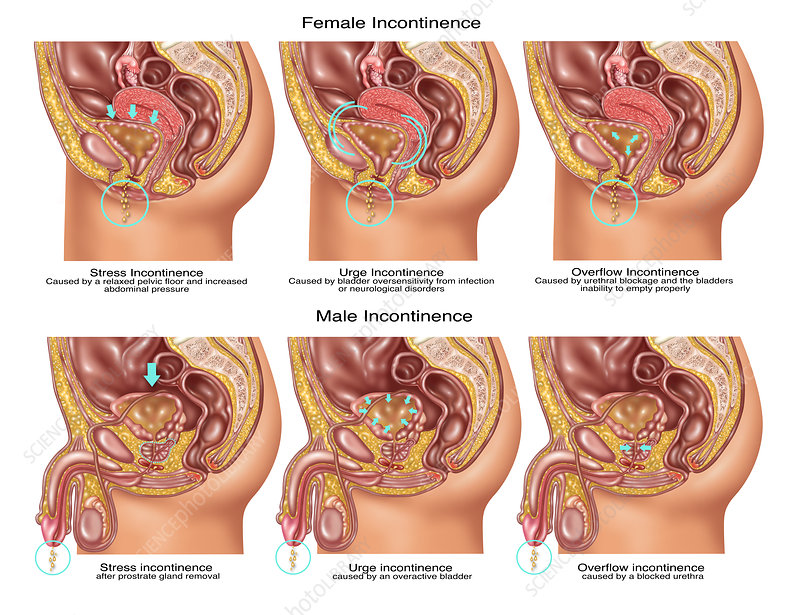
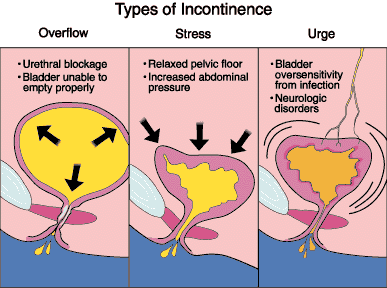
Men are more likely to develop overflow incontinence. This type of urinary incontinence causes a constant urine leak or dribble. Urinary retention due to a bladder obstruction, enlarged prostate or other problem can cause the bladder to get too full and overflow. Treatments include bladder training, medications and catheterization.
Overview
What is it?
Symptoms
Signs of overflow incontinence include:
- Constant dribbling or leaking of urine.
- Frequent urination with only small amounts of urine coming out.
Causes
Urinary retention, or a too-full bladder, causes overflow incontinence. The bladder is an essential part of your urinary system. It may fill up due to:
- Increase in urine volume due to diabetes, medicines like diuretics or other causes.
- A blockage in your bladder (such as a bladder outlet obstruction) or urethra (the tube that carries urine out of the body) that prevents the bladder from completely emptying.
- Weak bladder muscles or nerve damage.
Diagnosis
Your healthcare provider does a physical exam, which may include a pelvic exam or a rectal prostate exam, depending on your gender. Your healthcare provider may ask you to keep a bladder diary to track your fluid intake, bathroom use and urine leakage for two to three days.
Tests for overflow incontinence include:
- Urinalysis to look for problems like urinary tract infections (UTIs) and blood in your urine (hematuria).
- Abdominal ultrasound to examine your bladder, kidneys and other organs.
- Cystoscopy to view inside your urinary tract.
- Voiding cystogram, a scan to view your bladder as it fills up with a liquid and then empties.
- Urodynamic testing, including a postvoid residual urine test, to see how well your bladder and the rest of your urinary tract hold and release urine.
Treatment
Treatments for overflow incontinence depend on the reason you’re not emptying your bladder and include:
- Medications to shrink an enlarged prostate.
- Surgery to remove a blockage.
- Self-catheterization (clean intermittent catheterization) to empty your bladder by inserting a catheter through your urethra and into your bladder.
- Indwelling catheterization to place a permanent catheter into your bladder that empties into a urine drainage bag outside of your body.
- Suprapubic catheter, which is a permanent catheter the goes through your lower abdominal wall directly into your bladder to avoid using your urethra.
- Nerve stimulation to send electrical pulses to nerves and strengthen bladder muscles. Types include percutaneous tibial nerve stimulation (PTNS) and sacral nerve stimulation.

More Information
Frequently Asked Questions
How can you manage overflow incontinence naturally?
Kegels, or pelvic floor exercises, strengthen the muscles that support your bladder. Your healthcare provider may use biofeedback to help you learn the correct way to do these exercises.
What are the complications of overflow incontinence?
When your bladder doesn’t empty completely to flush all the urine out, you’re at risk of developing urinary tract infections, including bladder, prostate and kidney infections. The excess urine sitting in your bladder can also develop bladder stones, which can cause infection and irritation.
How can I reduce my risk of overflow incontinence?
Steps like bladder training and double voiding can prevent an overfull bladder from causing leaks. You can also do pelvic floor exercises daily. These exercises strengthen the muscles that support your bladder and urinary system.