Female Stress Incontinence
Overview
What is it?
A very common urologic disease.
Overview
What is it?
Symptoms
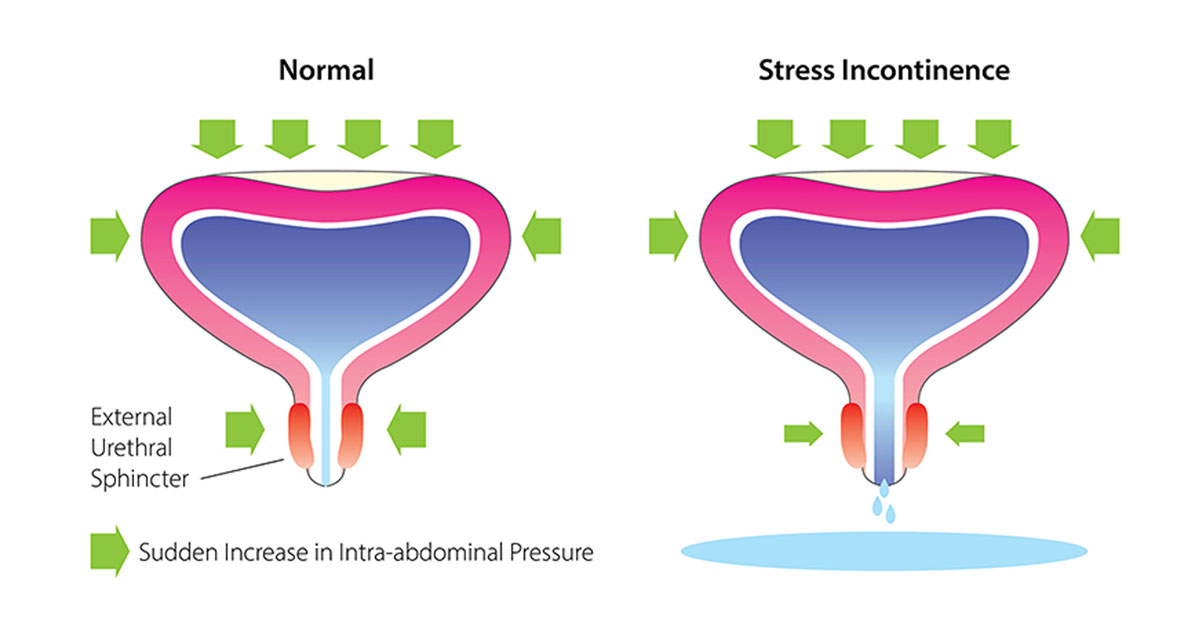
The key symptom of SUI is when urine leaks out during any activity that increases abdominal pressure. The amount can be a few drops to tablespoons or more. If you have mild SUI, you will leak during forceful activities such as exercise. You may also leak when you sneeze, laugh, cough or lift something heavy. If your SUI is moderate or more severe, you may also leak when you do less strenuous activities, like standing up or bending over.
These symptoms are different from urge incontinence or overactive bladder (OAB). With OAB, you feel an urgent and uncontrollable need to urinate. This “urgent” feeling could happen quite often. Leaks may involve a large amount of urine.
Causes
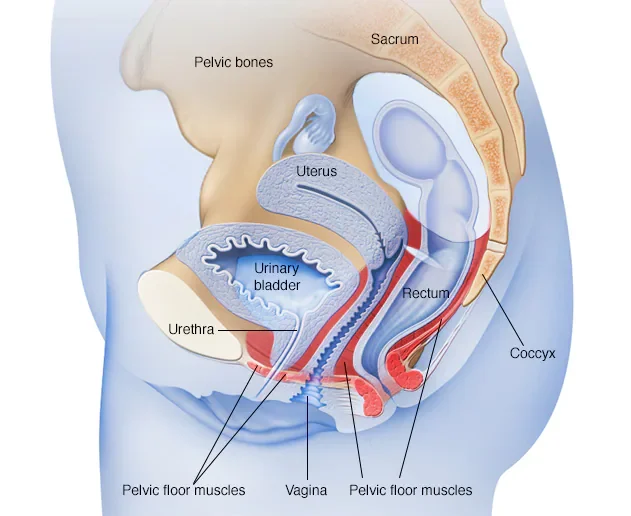
The pelvic floor supports the bladder and urethra. If this area gets stretched, weakened or damaged, then SUI can happen. Pregnancy and childbirth can cause this. Chronic coughing or nerve injuries to the lower back or pelvic surgery (like surgery for prostate cancer) can also weaken the muscles.
SUI impacts older women most often, however, it is not caused simply by aging or by being female. It happens in younger women and some men too. For some young women, it can result from childbirth and then improve after time.
Risk factors for SUI include:
Gender: females are more likely to get SUI
Pregnancy and childbirth
Being overweight
Smoking
Diagnosis
The first step in diagnosing SUI is to talk to your healthcare provider about your symptoms. If you think you have SUI, tell your provider about what’s happening. That is the only way to know for sure and find relief. Start with a Primary Care provider who can often initiate treatment without sending you to a specialist. If needed, they can refer you to a urologist or gynecologist. These are doctors who have more experience with pelvic floor conditions like urinary incontinence. Some may have obtained additional certification in female pelvic medicine and reconstructive surgery (FPMRS).
Before your visit write down your experiences and questions and bring this with you. Your notes will help you remember what you want to say. Make lists of:
Your symptoms, how they affect you, and how often
Prescription drugs, over-the-counter-medicines, vitamins and/or herbs you take
Past and current illnesses, surgeries or injuries
Questions you want to ask
Treatment
You and your healthcare provider can talk about ways to treat or manage your SUI symptoms. Your provider should explain the benefits and risks of each option to help you decide what will work best for you. Remember that not every treatment works for everyone, and you may have to try more than one to find relief.
SUI treatment options:
Lifestyle Changes to Treat SUI
Medical Devices to Manage SUI in Women
Surgery to Treat SUI
There are currently no drugs approved in the U.S. to treat SUI. Sometimes if you have SUI and OAB (Mixed Incontinence), your health care provider may prescribe OAB drugs or OAB treatments. These drugs may help reduce leaks for an overactive bladder. They do not treat SUI.

More Information
Frequently Asked Questions
What are the complications of stress urinary incontinence?
Does stress incontinence go away?
Does stress incontinence get worse?